













A call for more female leadership across the continent, discrimination on the basis of sexual orientation, the stigma attached to HIV/AIDS and the trial of Charles Taylor are among the stories in Sokari Ekine’s selection of the best of the African blogosphere for this week’s edition of Pambazuka News.
In keeping with this week’s special Bejing + 15 edition of Pambazuka News, The Entrepreneur from Cameroon argues for the need for a female candidate in the 2011 elections. Firstly he believes that a woman would challenge the usual ‘heavy handed intimidatory’ methods generally used against opposition leaders by the incumbent dictator President Paul Biya. Secondly, very few women have been at the centre of government and therefore are not associated with the endemic corruption. And lastly what he sees as the general movement towards the call for more female leadership across the continent:
‘Cameroonians have groped in the dark for too long for a leader who could stir the country towards economic prosperity. The two prominent post-independence leaders, all males, have ruled the country with very paltry results. Maybe it’s time a female steps into the political fray and provide some fresh air.
‘While I’ve been deliberate in this piece not to cite possible names of women who can run for the position of president, there are many Cameroonian women out there, in the academia, international institutions, and others who, with encouragement from Cameroonians, can take on this task.’
Political activist, Kayode Ogunamisi of Nigeria Liberty Forum comments in Black Looks on the recent raids by Lagos State Government on nightclubs hosting pole dancers in Lagos. In the usual Rambo style typical of Nigerian security forces, who invaded the premises harassing and photographing many of the near naked women dancers. The photos were then sent to various news media. Kayode points out that the women’s rights were violated and comments on the misguided – not to speak of hypocritical – interpretation of morality in the country, highlighting the immorality of a failed educational system, increasing unemployment and incessant sexual harassment of women:
‘In as much as Lagos has been doing well so far, we cannot and must not keep quiet when some officials are out of line and literally wrapped up in misconduct. The emergence of ostentatious clubs, “yachts’” and other elitist play toys are contentious by-products of a city that prides itself in its pro-active mechanism of governance. If we do not cautiously ensure that a healthy balance is maintained at all times some overzealous officials will pretty soon start dictating to Nigerians on the shape, size and complexion of the partner they must date or marry – could get that ridiculous!
‘Under the nose of our so called “moral police”, young Nigerian ladies who are incessantly challenged with forced long holidays due to the neglect of the educational sector and strikes by both academic and non academic staffs engage in misdemeanors to while away time or simply survive. High and low class prostitution thrive unchallenged in the streets of well lit reserved areas of Lagos and the men who can patronise these girls are definitely high net worth individuals in government and the private sector.’
The Gay Cafe comments on the contradiction that on the one hand sexual orientation is not a national issue of importance, so why then are the media so focused on the subject?
‘A person was assaulted because of his sexual orientation, uh uh! no it's not important. 15-20% of HIV infections are by MSM, still not important, damn right. A gay marriage causes a stir, we are overwhelmed with stories and sprinkling it up is a follow up to the family home. Ding ding ding. We got a winner here that is important, you shouldn't care at or on anyone unless he pays you. It has been officially declared don't bother by whom.’
http://www.pambazuka.org/images/articles/458/CHILDREN%2BPHOTO-1.jpg
A thoughtful essay from Tanzania blogger Knowledge Matters discusses stigma and discrimination against people with HIV/AIDS which contributes to the spread of the virus:
‘Stigma is linked to power and domination throughout societies as a whole. It plays a key role that ultimately creates social inequality. Stigma has its origins deep within the structure of society as a whole and in the norms and values that govern much of everyday life. Stigma and discrimination against AIDS sufferers causes some groups of people feel superior than others. For example. Long ideologies of gender inequality have resulted in women being blamed for the transmission of sexually transmitted diseases. HIV/AIDS related stigma often leads to a discriminative attitude, which is difficult to overcome and this, in turn leads to a disregard of the dignity of people living with HIV/AIDS virus, their families and even those who are thought of being infected.’
He goes on to suggest ways in which the stigma and discrimination can be challenged such as less policy-orientated methods and more community based educational approach linked to a ‘model of enlightenment’:
‘Too often in the past, understanding was linked to a model of enlightenment in which those who know best intervene to redress negative mentalities and attitudes. This approach regards those who are being educated as instrumental to empowering communities through participatory processes that unleash their knowledge and experiences. The success approach in this needs a long-term advocacy for social change in response to HIV/AIDS related stigmatisation and discrimination. The role of people with HIV/AIDS and of religious and political leaders in the country as regards such a process cannot be underestimated.’
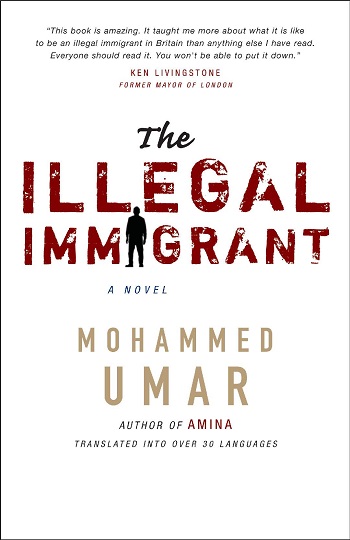
The trial of former Liberian president Charles Taylor in The Hague has been going on for over two years. The actual indictment goes back to 3 June 2003 when Taylor fled into exile in Nigeria. Three years later he was finally taken to Sierra Leone to stand trial. The blog The Trial of Charles Taylor was set up to document the trial proceedings. I have just finished reading ‘Allah is Not Obliged’ by Ahmadou Kourouma, which is set in Sierra Leone and Liberia during the civil wars. The latest post reports on the cross-examination of Taylor on NPFL actions against the West African peacekeepers and including the killing of civilians, peacekeepers and a group of American nuns during ‘Operation Octopus’ in 1992. Except for the blog which has painstakingly documented each day’s proceedings, there is very little in the media on the trial.
However the recently released documentary Pray the Devil Back to Hell, reminds of Charles Taylor’s crimes and those of other warlords. The film chronicles the campaign by women of Liberia who came together to end the war in which they held silent protests taking on the numerous warlords and made personal submissions to Taylor and members of ECOWAS. The documentary speaks to the power of grassroots activism and the determination of women to act against violence.
http://www.pambazuka.org/images/articles/458/allahisnotobliged-1.jpg
Black Looks continues with the Liberia/Sierra Leone war in the review of Ahmadou Kourouma remarkable novel ‘Allah is Not Obliged’. The story is set around the experiences of 10-year-old Birahima, child soldier and narrator of the novel.
There are three sets of interwoven stories. The story of Birahima and his many wanderings with different militias across the region, which makes a mockery of the artificial boundaries created by colonial rulers – only tribes not countries have meaning in this chaos and madness. The stories of some of his best comrades – how they came to be child soldiers, which is invariably due to some horrific story of loss of family and poverty. And the history of the wars, the warlords, the dirty deals with multinationals, foreign governments, colonials and various African leaders.
The author makes a mockery of cultural traditions that invade the rights of women and children such as forced marriage and male and female circumcision. He exposes the global structures of corruption which allow for the violence – the silence of the international community, the commercial value of war, the brutality of the peacekeepers [Nigerians"> who themselves act like militias operating under their own warlord [Abacha."> and strips them naked.
BROUGHT TO YOU BY PAMBAZUKA NEWS
* Sokari Ekine blogs at Black Looks.
* Please send comments to [email protected] or comment online at Pambazuka News.
- Log in to post comments
- 828 reads
Author

Anonymous (not verified)