






















Indigenous peoples insist on rights-based approaches and respect for traditional knowledge and practices in Rio+20 outcomes.
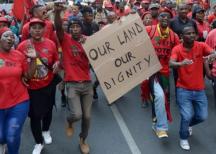
RIO DE JANEIRO, 20 JUNE 2012: As government representatives start formal negotiations in Brazil to seek agreements on so-called ‘green economy’ policies and to assess progress in fulfilling commitments on environment and development made at the Rio Earth Summit twenty years ago, indigenous peoples from all over the world have come together at the Rio+20 global summit to put forward their own solutions for sustainable development and to flag serious risks associated with government ‘green’ proposals.
Jean La Rose of the Amerindian Peoples Association (APA), Guyana, said:
“Governments, international agencies like the World Bank and NGOs are pushing for new low carbon development policies in countries like Guyana. Official information on these initiatives does not match our experience. Our communities have not been properly consulted so far and there are no secure safeguards for our land and territorial rights and right to free, prior and informed consent. At the same time, plans for mega dams, roads and continued logging and mining operations in our forests are being developed in the name of ‘green growth’, which risks generating multiple harmful impacts on our peoples.”
Indigenous leaders are also present at the negotiations to highlight the historical and present contributions of indigenous peoples’ cultures, traditional knowledge and practices in sustaining the world’s most fragile ecosystems. They are also raising concerns that despite protection under international treaties and agreements, in many countries traditional livelihoods and practices remain under threat from outdated environmental policies as well as from new REDD+, PES and protected area initiatives that seek to restrict or criminalise customary use of land and natural resources.
Peter Kitelo of the Ogiek people in Western Kenya said:
“Government policies at the international and country levels do not recognise the need for legal and land tenure reforms, which are desperately needed in order to recognise the rights of indigenous peoples. In Kenya there is now a lot of talk among government agencies about sustainable development and community forest management, yet the government is seeking to sell concessions for plantation development and REDD+ projects on our lands without our free, prior and informed consent...”
Leaders also express grave concerns over increasing threats to their lands and livelihoods stemming from land grabbers and the growing global demand for food, fibres, fuel, minerals, hydrocarbons and other resources.
Robert Guimaraes Vasquez of the Shipibo people in the Peruvian Amazon said:
“While governments are coming to Rio to talk about sustainable development, in my country, Peru, the pressure is growing day by day from policies of the national government that seek to open up our remote forest territories to transnational companies through road infrastructure projects. These mega projects pose severe threats to indigenous peoples and in particular those autonomous groups in voluntary isolation. How can this be sustainable? We all know it is not just. Yet governments spin this destructive form of development around and call it poverty reduction and investment for national development...”
Indigenous peoples’ organisations and activists are calling on governments to fully implement their commitments to uphold human rights, including rights to lands and resources as an essential cornerstone for achieving socially just and ecologically sustainable development. They also call on States to fully recognise the importance of cultural diversity and local economies in maintaining ecosystem integrity and sustainable livelihoods. Onel Masardule of the Kuna people and Foundation for the Promotion of Traditional Knowledge of Panama said:
“Governments in most countries have already signed up to human rights agreements and environmental treaties and have endorsed the UN Declaration on the Rights of Indigenous Peoples. We are here in Rio once again to demand that States fulfil their obligations and commitments in all development policies, finance and actions and put proper arrangements in place at the national level to implement these agreements. Our rights must be secured so that our lands and territories are maintained for the benefit of our future generations and the whole of humanity.”
CONTACTS
For further information and/or to arrange an interview with any of those quoted above, please email:
Francesco Martone ([email protected])
Tom Griffiths ([email protected])
* BROUGHT TO YOU BY PAMBAZUKA NEWS
* Please do not take Pambazuka for granted! Become a Friend of Pambazuka and make a donation NOW to help keep Pambazuka FREE and INDEPENDENT!
* Please send comments to editor[at]pambazuka[dot]org or comment online at Pambazuka News.
- Log in to post comments
- 425 reads
Author

Anonymous (not verified)