

























The recent AU Summit in Kampala has brought to light the shocking lack of readily available health services for women in Africa, endangering women’s well-being and resulting in tragically high numbers of women dying in childbirth, writes Ir?ng? Houghton. Houghton brings the devastating statistics into focus, and scrutinises both government and society in the facilitation of a failure in the battle for gender equality and the right to reliable health care for all on the continent.
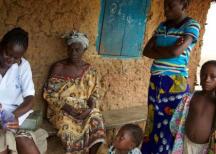
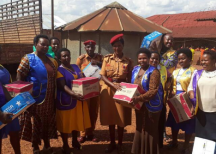
When the African Union’s (AU) East African caravan set out for Kampala from Nairobi on 3 July, little did they imagine they would capture the attention of thousands of men and women across East Africa and elsewhere in Africa. As they travelled the thousands of kilometres through Arusha, Mwanza, Kigali, Kabale, Masaka, Mbarara and Kampala, the testimonies they heard in towns, villages, dispensaries and hospitals added a sense of urgency to the horrific statistics.
One in sixteen women and girls die giving birth in Africa. 14 per cent of those who do, die from unsafe abortions and 60 per cent of these women are under the age of 25. Nigeria, Ethiopia and the Democratic Republic of Congo are among the six countries that are responsible for 50 per cent of all deaths globally.
Behind the statistics is the horror of Hanna Nasibwa who died on 13 July a few hours after the AU caravan arrived at her hospital in Mbarara. Her uterus ruptured during pregnancy and it took her too long to get to the hospital. Too late; she died. She could have lived if she had been seen sooner.
The 15th Ordinary Session of the Summit of the AU has brought these shocking statistics and experiences into sharp relief. Over 50 heads of state came. All but one are men. 53 foreign ministers attended, mostly men. With them, were a number of health ministers. They and their delegations spent a week focusing on maternal health, the main theme of the summit.
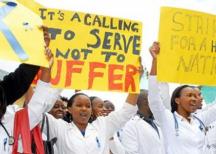
Yet, despite the academic statistics, media coverage and statements by our leaders, there is something missing: anger. Anger is missing. How is it that Africa can lose mothers, daughters, sisters and citizens in this way? Why is there no sense of resolve and anger? Our leaders are rightfully angry when acting against terrorists and serial killers. Yet, why can’t we see the same decisiveness when it comes to the issues of maternal health? If Africa can deploy peace-keeping troops to trouble spots (and I think we should), why can’t we deploy brigades of doctors, midwives and other health workers to Africa’s high maternal death hot spots? Indeed, why isn’t there a rapid stand-by force for health services in Africa? More people in Africa die from 5 preventable diseases than war these days.
In 2010, Africa marks the tenth anniversary of the Abuja Declaration on HIV/AIDS, Tuberculosis and Malaria, and the third anniversary of the Maputo Plan of Action for Universal Access to Comprehensive Sexual and Reproductive Health Services in Africa . While some African governments are spending more on health than they did in the 1990s, it is still insufficient. Most governments are far from meeting the 15 per cent AU health budgeting target. Most spend a tenth of the recommended amount by the World Health Organisation (WHO) for each of their citizens. Yet, there is a feeling that this could be an ideal moment to reverse all of this.
Hundreds of champions, health specialists and feminists attended this summit. On the tables before the heads of state were important and well articulated documents for adoption. In the countries from which they come, there are millions of women and girls who are denied the right to health services, to have control over their fertility and protection from violence and sexual abuse.
Yet, all this will go nowhere if we don’t develop a sense of concern and anger among us men as well. Many years ago, ‘real men don’t abuse women’ was a popular slogan. While still relevant, perhaps we should adapt it for this moment. It is not just that real men shouldn’t abuse women; real men should use all the power they have to eliminate these horrific statistics. Real men should join women in demanding available, safe and adequate health services.
Why is this particularly an issue for men to think about? Firstly, the women and girls that die every day are not separate from us. They are our sisters, mothers, daughters, wives and fellow citizens. Secondly, we men still dominate the corridors and offices of power across this continent. Until things change, we must honour the responsibility these offices demand of us all. Lastly, and most simply, we must think and act because the scale of pain and suffering is simply unacceptable.
We must urge our governments to publicly announce the decisions taken this year. We must declare our intention to assess our government’s progress ahead of the next July summit. Next July, when the caravan called the AU Summit comes to Malabo in Equatorial Guinea, we should hold up scorecards against the recommendations made in this summit on maternal health. Perhaps we should demand that our heads of state drive through 2–3 countries and visit hospitals, clinics and villages to get to the summit.
Unless we do this, we are complicit in a double failure. The first failure is the failure to provide an effective health system that prevents illness and neglect. The second failure is the failure to safely rescue women and girls from life-threatening illnesses and unwanted pregnancies. Combined, these two failures are primary causes for women dying while giving birth. There is a third cause: too many of us are standing and watching women dying in silence. It’s now time for this to change as well.
BROUGHT TO YOU BY PAMBAZUKA NEWS
* Irũngũ Houghton is director of Oxfam Pan Africa and can be contacted at [email][email protected].
* Please send comments to [email protected] or comment online at Pambazuka News.
- Log in to post comments
- 667 reads
Author

Anonymous (not verified)